Teenager Fitness Safety Guide: Scientific Training for 14-18
Many parents worry teenager fitness affects development. Truth: Proper training won't affect, actually beneficial.
But teenagers need special safety considerations.
I. Does Teen Fitness Affect Development?
Common Myths
Many think teenagers shouldn't strength train: Affects height, hurts bones, hinders development.
Scientific Truth
Studies show proper strength training doesn't affect height or development.
| Research Finding | Explanation |
|---|---|
| No height impact | Bones not negatively affected |
| No bone harm | Proper training strengthens |
| No development block | Appropriate stimulus beneficial |
Why no height impact?
Height mainly determined by genes and nutrition. Strength training doesn't compress bones or affect growth plates.
Instead, strengthens bone density, prevents osteoporosis.
Benefits
Strengthens bones, boosts confidence, builds habits, improves sports performance, prevents injury.
II. Safety Principles
Principle 1: Technique First
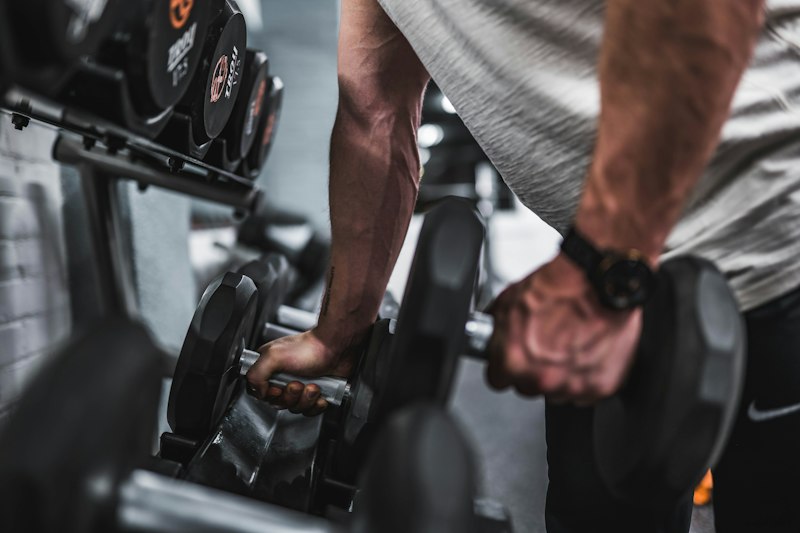
Don't chase heavy weight. Correct technique is priority.
Recommendation: Learn with light weight first, increase after stable, each increase no more than 5%.
Principle 2: Avoid Maximum Weight
Teenagers shouldn't do maximum weight attempts (1RM tests).
Recommended: 10-15 reps, 60-70% intensity, 2-3 sets.
Principle 3: Full Supervision
Teen training needs adult supervision.
Supervisor should: Confirm correct technique, control intensity, watch safety.
Principle 4: Avoid Complex Movements
Some movements higher risk for teenagers.
Suitable: Machine training (safer), dumbbells (freer), bodyweight (safest).
III. Training Plan
Recommended Frequency
14-15 years: Strength 2x weekly, Cardio 3x weekly.
16-18 years: Strength 2-3x weekly, Cardio 2-3x weekly.
Basic Plan (14-15 years)
2x weekly full-body.
Machine leg press 2×12, Machine chest press 2×12, Machine row 2×12, Push-up 2×10, Core 2×20sec.
Focus on learning movements, not weight.
Advanced Plan (16-18 years)
3x weekly.
Monday: Lower body + core.
Wednesday: Upper push.
Friday: Upper pull + cardio.
IV. Nutrition
Normal Diet Main
Teenagers don't need special supplements.
Priority: Normal diet, sufficient protein, adequate water.
Protein Need
14-15 years: 1.2-1.4g/kg.
16-18 years: 1.4-1.6g/kg.
From food: Eggs, milk, meat, beans.
No Supplements Needed
Teenagers still developing, don't need protein powder, creatine.
V. Common Questions
Train daily? No. Recovery important. Same muscle group 48 hours apart.
Push-ups affect height? Won't. Push-ups safe bodyweight training.
When increase weight? When: Technique perfect, current weight easy, supervisor present.
VI. Parents' Guide
Support Not Block
Correct attitude: Understand science, provide conditions, supervise safety, encourage consistency.
Find Suitable Place
School gym (teacher supervision), professional gym (coaches), home (parent supervision, simple movements).
Avoid Excessive Pressure
Encourage healthy habits, not results. Let them enjoy process, no comparison. Focus on safety, not limits.
VII. Psychological Value
Fitness for teenagers isn't just physical—psychological value huge.
Confidence boost, focus improvement, stress release, social opportunity.
Building healthy habits in teenage years benefits lifetime.
VIII. Summary
1. Doesn't affect development - proper training safe
2. Technique first - don't chase weight
3. Needs supervision - adult present
4. Avoid maximum - 60-70% intensity
5. 2-3x weekly - sufficient
6. Normal diet main - no supplements needed
7. Parent support - provide safe conditions
Teenager fitness is good thing. Proper methods make it safe and effective.
Core Principle: Safety first, technique priority, moderate intensity, long-term persistence. Teen fitness goal is building habits, not short-term results.