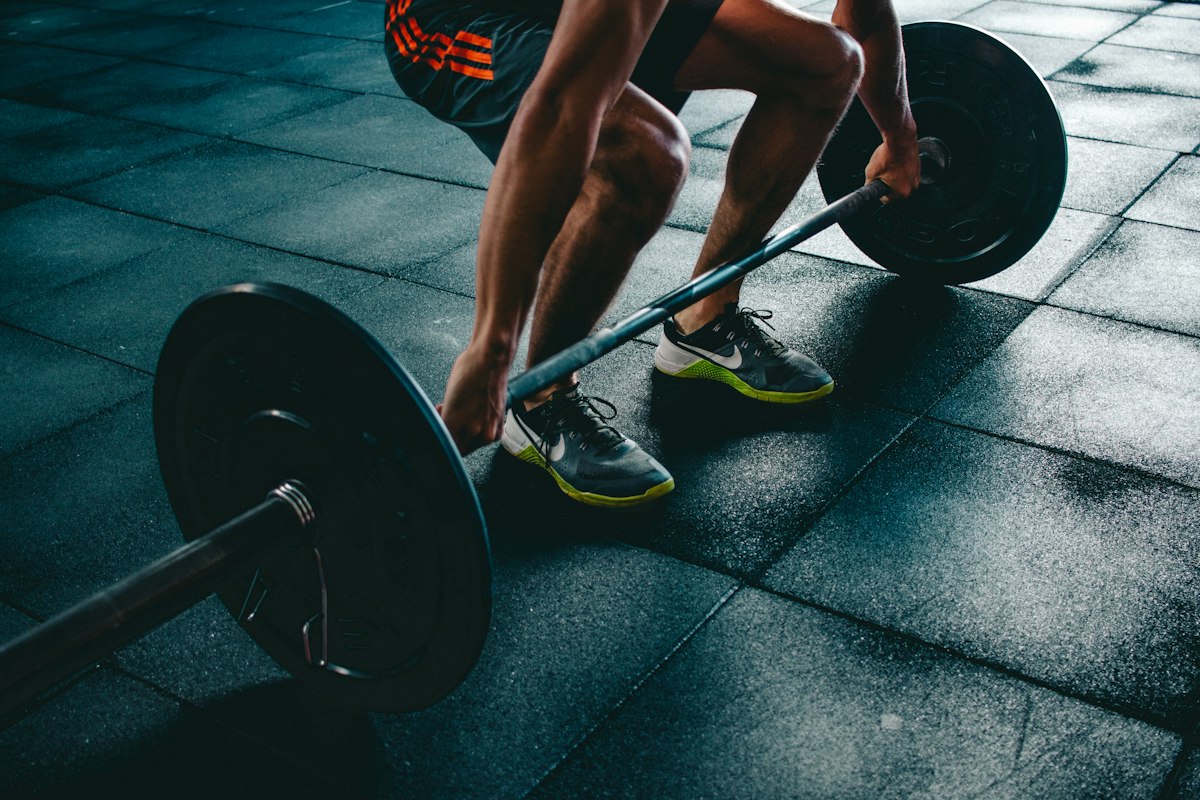
Complete Recovery Guide: More Important Than Training
People in gyms train hard, but many overlook the most important thing: rest and recovery.
Truth: Training is stimulus, recovery is growth. Muscles don't grow during training—they grow during rest after.
I. Why Recovery More Important Than Training?
Training-Recovery Relationship
Many think more training is better. Wrong.
| Training Effect | Recovery Effect | Final Result |
|---|---|---|
| Strong stimulus | Sufficient recovery | Growth |
| Strong stimulus | Insufficient recovery | Stall or regress |
| Weak stimulus | Sufficient recovery | Maintenance |
| Weak stimulus | Insufficient recovery | Decline |
Conclusion: Only strong stimulus with sufficient recovery leads to growth.
What Happens During Recovery?
During training, muscle fibers undergo microscopic damage. During recovery, body repairs these damages, making muscles stronger.
This process needs: Time, Nutrition, Sleep, Reduced stress.
Missing any, recovery incomplete.
Overtraining Consequences
When training exceeds recovery capacity, overtraining occurs.
Symptoms: Persistent fatigue, strength decline, poor sleep, appetite drop, mood low, hormone disruption.
II. Sleep: Recovery Foundation

Why Sleep Most Important?
During sleep body: Secretes growth hormone, repairs muscle, clears metabolic waste, nervous system recovers, mental stress releases.
GH Secretion: Peaks in deep sleep (first 3 hours).
How Much Sleep?
| Group | Recommendation |
|---|---|
| General | 7-8 hours |
| Training | 8-9 hours |
| High intensity | 9-10 hours |
Higher training intensity = more sleep needed.
Improve Sleep Quality
Pre-sleep: Fixed schedule, avoid coffee 6 hours before, avoid phone 30 minutes before, cool room (18-20C), dark environment.
III. Nutrition for Recovery
Post-Training Nutrition
| Time | Advice |
|---|---|
| Within 30 min | Fast-absorbing protein |
| Within 1 hour | Carbs for glycogen |
| All day | Sufficient protein |
Protein
| Time | Recommendation |
|---|---|
| Post-training | 25-40g |
| Daily | 1.6-2.2g/kg |
| Before sleep | 30-40g casein |
Carbs
| Intensity | Need |
|---|---|
| Low | No extra |
| Medium | 1g/kg |
| High | 1.5g/kg |
Water
Training 1 hour = extra 500ml. Daily total 2-3L.
IV. Active Recovery
What Is Active Recovery?
Light activity to promote recovery. Faster than complete rest.
Why More Effective?
Passive rest: Slow blood flow, slow waste clearance, stiff muscles.
Active recovery: Fast blood flow, fast waste clearance, relaxed muscles.
Methods
| Method | Time | Intensity |
|---|---|---|
| Walking | 20-30 min | Very low |
| Swimming | 20 min | Very low |
| Cycling | 30 min | Very low |
| Light stretch | 15-20 min | Very low |
Intensity should be 30-40% of max.
V. Recovery Techniques
Foam Rolling
Each area 1-2 min, hold on painful spots 30 sec.
Massage
Professional massage for deep muscle relaxation. Frequency: Every 1-2 weeks.
Contrast Bath
Hot 3 min, cold 1 min, repeat 3-4 times. End with cold.
VI. Psychological Recovery
Mental Stress Affects Recovery
Mental and training stress combine. When both high, recovery nearly impossible.
Stress Reduction
| Method | Time | Effect |
|---|---|---|
| Deep breathing | 5 min | Quick relaxation |
| Walking | 20 min | Clear stress |
| Meditation | 10 min | Mental recovery |
| Music | Any | Mood improvement |
Daily 10-20 min stress reduction明显 improves recovery.
VII. Recovery Time Planning
By Muscle Group
Large muscles (legs, back, chest): 48-72 hours.
Small muscles (arms, shoulders, abs): 24-48 hours.
By Training Intensity
| Intensity | Recovery Time |
|---|---|
| Light | 24 hours |
| Medium | 48 hours |
| High | 72 hours |
| Very high | 96+ hours |
Recovery Week
Every 4-8 weeks. Weight 60-70%, sets 2-3, days 2-3.
VIII. Monitoring Recovery
Daily Checks
Sleep quality (self-rate 7+ = sufficient), mental state, appetite, muscle feeling, training desire.
Objective Measures
Morning resting heart rate: Stable = sufficient, elevated 5+ = insufficient.
Grip strength: Normal = sufficient, declined = insufficient.
IX. Common Misconceptions
More training ≠ better. Persistent soreness ≠ good effect. Complete rest ≠ best recovery. Sleep quality matters more than duration.
X. Summary
Recovery is half of training, can't ignore.
1. Sleep most important - 8-9 hours
2. Nutrition support - Post-training timely
3. Active recovery - More effective than complete rest
4. Recovery techniques - Foam roller, massage, contrast
5. Stress reduction - 10-20 min daily
6. Recovery time - Large muscles 48-72 hours
7. Recovery week - Every 4-8 weeks
8. Monitor state - Daily checks
Training is stimulus, recovery is growth. Without recovery, training wastes time.
Core Principle: Treat recovery as part of training, equal importance. Many train well but recover poorly—result: stalled.