The Complete Protein Guide: Core Nutrition for Muscle and Fat Loss
Protein is the most watched nutrient for fitness enthusiasts. But many only know "eat more protein" without understanding why, how much, and how.
This guide takes you deep into understanding protein: from physiological functions to practical application.
I. Why Protein So Important?
1. Foundation of Muscle Synthesis
Muscle tissue is primarily made of protein. During training, muscle fibers undergo microscopic damage. Protein provides amino acids to repair and rebuild.
This process is called Muscle Protein Synthesis (MPS). Without sufficient protein, MPS can't maximize, training results limited.
2. Prevent Muscle Loss
During fat loss, insufficient protein causes body to break down muscle for energy. Adequate protein protects muscle, ensuring you lose fat not muscle.
Studies show high protein diet reduces over 50% muscle loss during fat loss.
3. Increases Satiety
Protein makes you feel fuller than carbs or fats. High protein diet naturally reduces appetite, aiding fat loss.
Research finds high protein breakfast reduces daily calorie intake about 200 cal compared to high carb.
4. Higher Thermic Effect
Digesting protein requires more energy:
| Nutrient | Thermic Effect |
|---|---|
| Protein | 20-30% |
| Carbs | 5-10% |
| Fat | 0-3% |
Eating 100 cal protein, body actually gets 70-80 cal. Natural calorie discount.
II. How Much Do You Need?
Recommendations by Goal
| Goal | Daily Recommendation |
|---|---|
| Maintenance | 0.8g/kg body weight |
| Muscle building | 1.6-2.2g/kg body weight |
| Fat loss preserving muscle | 1.8-2.4g/kg body weight |
| Seniors | 1.0-1.2g/kg body weight |
Example: 70kg person building muscle needs 112-154g protein daily.
When Need More?
| Situation | Increase |
|---|---|
| High training intensity | +0.2g/kg |
| Fat loss phase | +0.4g/kg |
| Plant protein dominant | +20% |
| Age over 50 | +0.2g/kg |
III. Quality Protein Sources
Animal Protein (Complete)
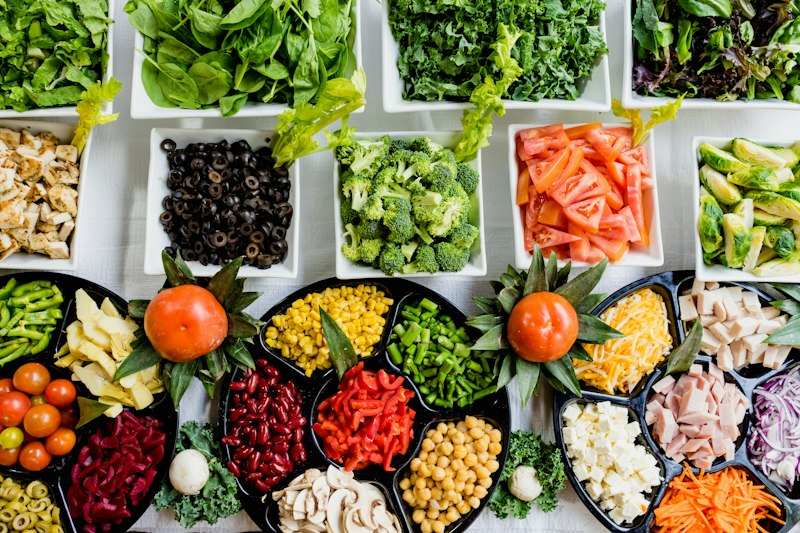
| Source | Protein per 100g | Features |
|---|---|---|
| Chicken breast | 31g | High protein low fat, fitness favorite |
| Beef | 26g | Contains iron, zinc, good for building |
| Fish | 20-25g | Contains Omega-3, nutrient rich |
| Eggs | 13g | Complete amino acids, good absorption |
| Milk | 3.4g | Convenient, contains calcium |
Plant Protein
| Source | Protein per 100g | Features |
|---|---|---|
| Beans | 20-25g | Vegetarian favorite |
| Nuts | 15-20g | Contains healthy fats |
| Tofu | 8-15g | Low calorie |
| Soy milk | 2-3g | Convenient drinking |
Note: Plant protein slightly less complete amino acids, need variety or increase intake 20%.
IV. Protein Timing
Pre-Training (1-2 hours)
Consume 20-30g protein, providing amino acid reserve.
Pre-training protein more important than post: MPS starts during training, pre protein catches this window.
Post-Training (30 min - 2 hours)
Peak muscle synthesis period. Consume 25-40g fast-absorbing protein.
Best choices: whey protein, eggs, fish.
Daily Distribution
Protein at every meal, not all at once:
| Meal | Recommended |
|---|---|
| Breakfast | 20-30g |
| Lunch | 30-40g |
| Dinner | 30-40g |
| Snack | 15-25g |
Each meal triggers MPS peak. Distributed intake means more synthesis peaks.
Bedtime Protein
30-40g casein before bed continuously supplies amino acids, preventing nighttime muscle breakdown.
V. Protein Supplements
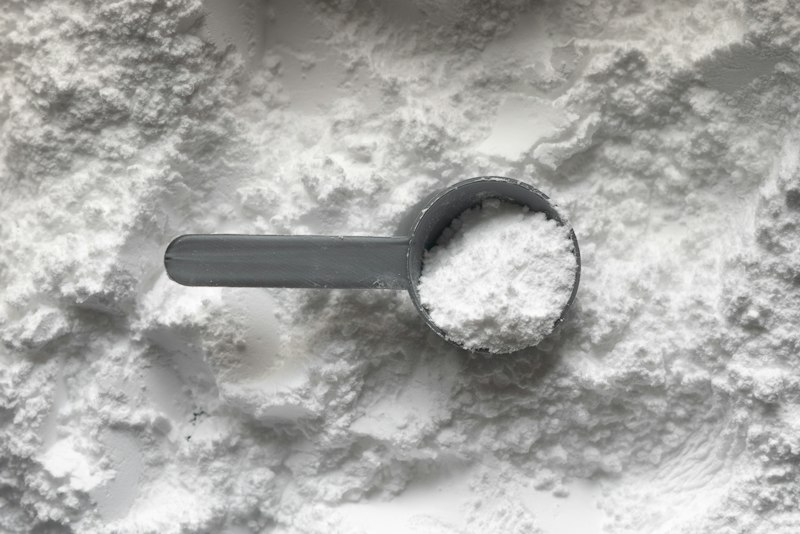
Whey Protein
Fast absorption (30-60 min peak), complete amino acids, high BCAA.
Suitable for post-training. About 20-25g per scoop.
Casein
Slow absorption (5-7 hours sustained), continuous amino acid release.
Suitable for bedtime, long periods without food.
Soy Protein
Suitable for vegetarians, slightly less complete amino acids.
Supplements Necessary?
Not necessary to reach targets.
Supplements just convenient. Food sources more economical, healthier, more satiating.
VI. Common Myths
❌ Myth 1: Too much protein damages kidneys
Truth: Healthy people with high protein (up to 2g/kg) don't damage kidneys.
Multiple long-term studies confirm healthy people with high protein diet for years show no abnormal kidney changes.
Note: Those with kidney disease should follow medical advice.
❌ Myth 2: Only meat has protein
Truth: Beans, nuts, grains all contain protein.
Vegetarians with variety can also meet protein needs.
❌ Myth 3: Supplements essential
Truth: Supplements just convenient. Food first.
Many drink no protein powder yet intake 150g+ daily.
❌ Myth 4: Must consume within 30 minutes post-training
Truth: Window longer than believed. Within 2 hours post-training effective.
If pre-training protein consumed, post-training urgency lower.
❌ Myth 5: More protein always better
Truth: Beyond synthesis ceiling no additional benefit.
Per meal 0.4g/kg, total daily 2.5g/kg is ceiling. Beyond just converts to energy or stored.
VII. Practical Meal Planning
Muscle Building (70kg person)
Target: 140g protein daily
| Time | Meal | Protein |
|---|---|---|
| Breakfast | 2 eggs + milk + oats | ~25g |
| Lunch | 150g chicken breast + rice | ~50g |
| Pre-training | Protein shake | ~25g |
| Post-training | Protein shake | ~25g |
| Dinner | 100g fish + vegetables | ~25g |
| Bedtime | Greek yogurt | ~15g |
Total: ~140g ✓
VIII. Summary
1. Protein is muscle synthesis foundation - Essential for repair and growth
2. Building needs 1.6-2.2g/kg - Fat loss needs 1.8-2.4g/kg
3. Distribute across meals - Better than all at once
4. Focus around training - Pre 1-2 hours at minimum
5. Food first, supplements second - More satiating, healthier
6. Avoid common myths - Not kidney damaging, window long, has ceiling
Core Principle: Daily total meets target, distribute across meals, focus around training, food main supplements auxiliary.