Fat Loss Diet Strategy: Lose While Full
Fat loss is not starvation. Many think it means eating less, being hungry, enduring.
Actually, scientific diet strategy lets you feel full while steadily lowering body fat.
I. Core Principle: Calorie Deficit
Fat loss fundamental: Burn more than consume.
What is Calorie Deficit?
Daily deficit 300-500 calories is healthy range.
| Deficit | Effect |
|---|---|
| 200-300 cal | Slow, sustainable |
| 300-500 cal | Recommended |
| 500-700 cal | Faster, needs monitoring |
| >700 cal | Not recommended, muscle loss risk |
Too large deficit causes muscle loss, metabolic drop, easy rebound.
Calculate Your Needs
Simple Estimate:
| Gender | Maintenance Formula |
|---|---|
| Male | Weight(kg) × 35 |
| Female | Weight(kg) × 30 |
Subtract ~400 calories for fat loss.
II. Nutrient Distribution
Protein: Highest Priority
During fat loss, protein intake needs to be higher.
Recommendation: 1.8-2.4g per kg.
Carbs: Training Fuel
Carbs not enemy, key is choice and timing.
Complex carbs for daily, simple carbs around training.
Technique: More carbs training days, less rest days.
Fat: Don't Eliminate
Fat essential for hormone synthesis. 20-30% of total calories.
Quality sources: olive oil, nuts, fish, eggs.
III. Meal Arrangement
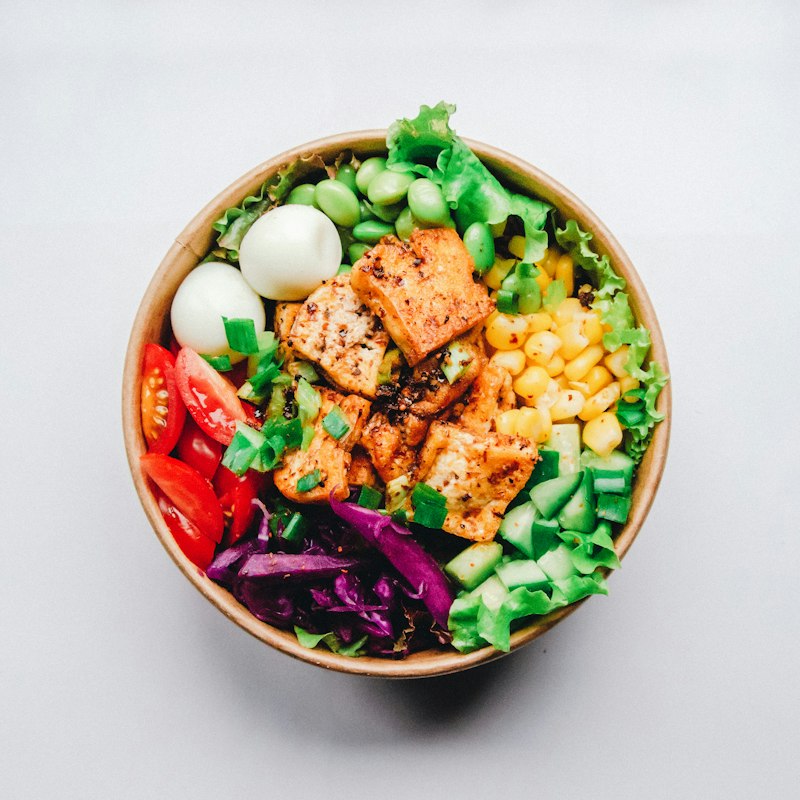
Breakfast: 2-3 eggs, oats, milk. ~25-35g protein.
Lunch: 150g chicken, brown rice, lots of vegetables. ~40-50g protein.
Dinner: 100g lean meat or fish, salad, small carbs. ~25-30g protein.
Snack: Protein shake or Greek yogurt or nuts.
Eating Order
| Order | Content | Reason |
|---|---|---|
| First | Vegetables | Increase fullness |
| Second | Protein | Further fullness |
| Third | Carbs | Last, naturally reduced |
Studies show this order reduces 15-20% calorie intake.
IV. Satiety Techniques
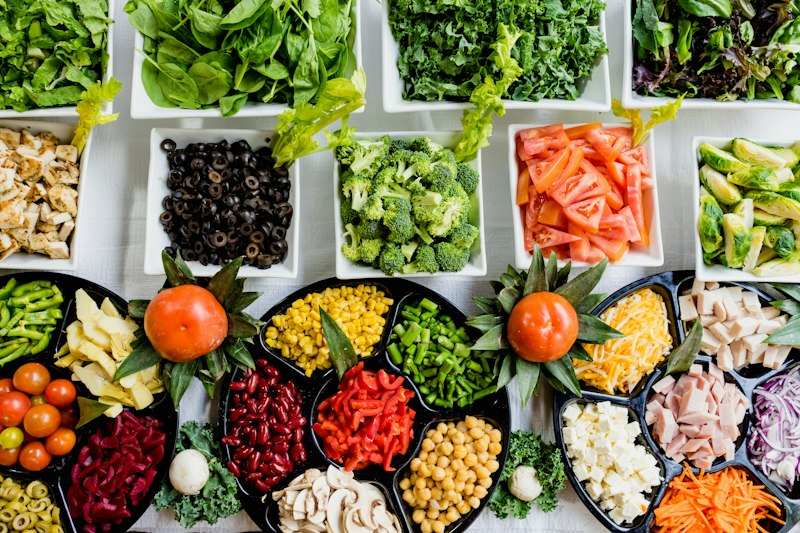
Pre-meal: Drink water, start with vegetables, use small plates.
High Satiety Foods: Boiled potatoes (highest), eggs, oats, fish, vegetables.
Eating Style: Eat slowly, chew thoroughly, focus on eating, solids over liquids.
V. Avoid Hidden Calories
| Source | Hidden Calories |
|---|---|
| Sugary drinks | ~200 cal per 500ml |
| Salad dressing | ~100-150 cal per 100g |
| Fried cooking | Doubles calories |
| Alcohol | ~70 cal per 100ml |
Alternatives: Water instead of drinks, grill/steam instead of fry, vinaigrette instead of dressing.
VI. Intermittent Fasting (Optional)
16:8 Method
16 hours no eating, 8 hour eating window.
Schedule: 20:00-12:00 no eating, 12:00 first meal, 20:00 last meal.
Suitable: Those struggling with portion control, not hungry morning.
Not Suitable: Stomach issues, pregnant, morning training.
VII. Fat Loss Cycle
| Phase | Duration | Content |
|---|---|---|
| Fat loss | 8-12 weeks | Lower body fat |
| Rest | 2-4 weeks | Restore metabolism |
| Maintenance | 4-8 weeks | Stabilize weight |
Fat loss shouldn't last too long. Rest phase lets metabolism recover.
VIII. Monitoring
Weekly: Weight, waist circumference, body fat percentage, photos.
Signals of effectiveness: Waist shrinking, training performance stable, appetite normal, sleep normal.
Important: Body fat and shape matter more than weight.
IX. Summary
1. Deficit 300-500 cal
2. Higher protein (1.8-2.4g/kg)
3. Vegetables before carbs
4. Avoid hidden calories
5. Optional intermittent fasting
6. Rest after 4-8 weeks
7. Monitor waist and body fat
Core: Moderate deficit, sufficient protein, optimize eating order, cycle planning necessary.